
One of the most common questions homeowners ask when considering a new fence is, how long does a wood fence last? Wood fencing remains a popular choice because it offers natural beauty, versatility, and timeless curb appeal. While a wood fence can be a long-lasting investment, its lifespan depends on several important factors. Understanding what influences the wood fence lifespan can help homeowners make informed decisions when installing, maintaining, or replacing a fence.
On average, a well-installed and properly maintained wood fence lasts between 15 and 20 years. In some cases, especially when premium materials and consistent maintenance are involved, the lifespan can extend beyond 20 years. However, neglect, poor installation, or harsh environmental conditions can significantly shorten how long a wood fence lasts.
Average Wood Fence Lifespan
When homeowners ask how long does a wood fence last, the most common answer is that it depends on care and construction. A standard wood fence that receives routine maintenance typically lasts around 15 to 20 years. Higher-quality woods and professional installation can push that lifespan even further, while a lack of maintenance may reduce it to as little as 5 to 10 years. The wide range in longevity highlights why understanding the contributing factors is so important.
How the Type of Wood Affects Fence Longevity
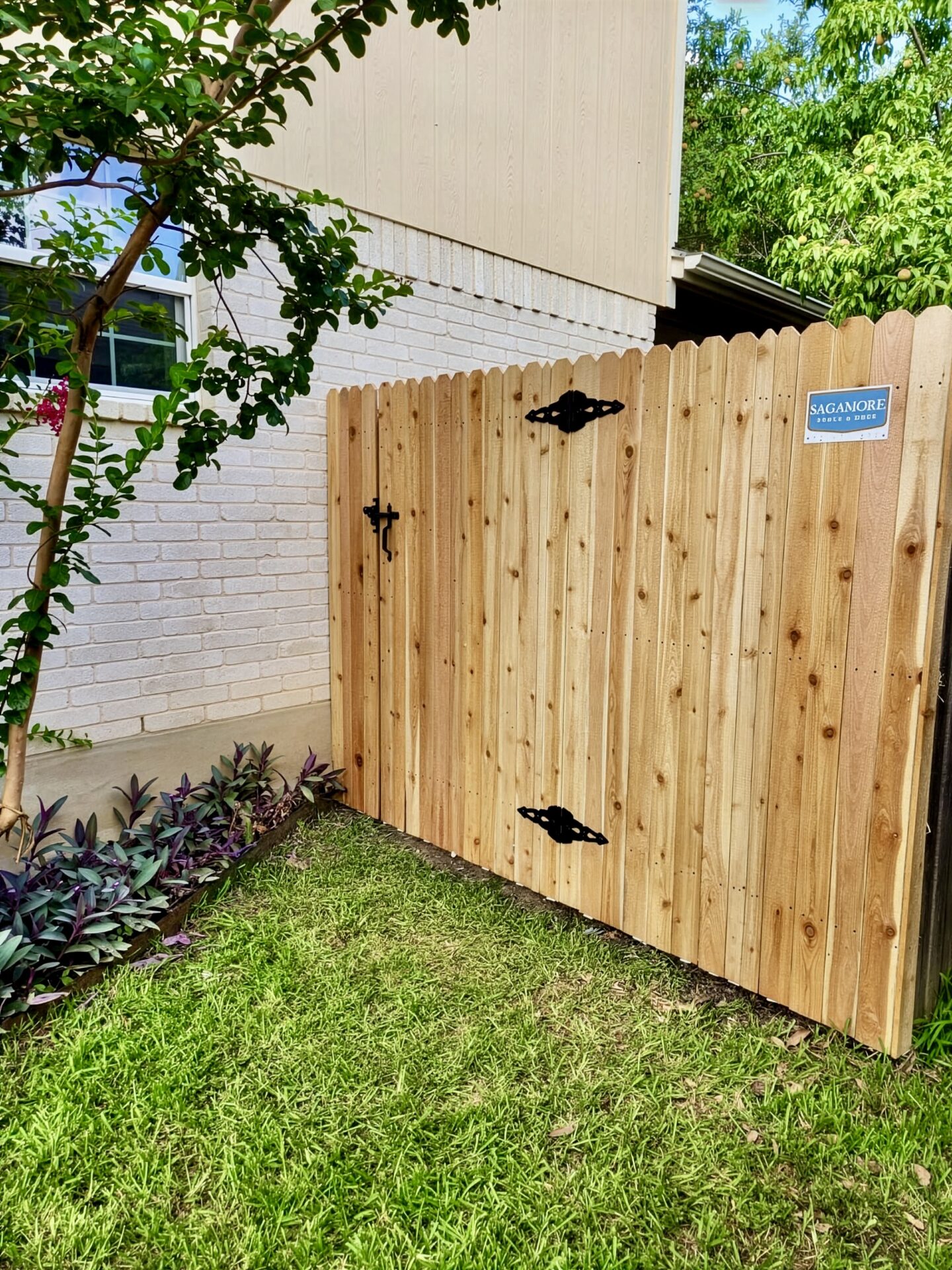
The type of wood used is one of the most important factors influencing the wood fence lifespan. Cedar and redwood are popular choices because they naturally resist rot, insects, and moisture. These woods tend to age well and maintain their structural integrity longer than many other options. Pressure-treated pine is another common fencing material and is chemically treated to help prevent decay and insect damage. While it is more affordable and durable, it may not last as long as cedar or redwood if not properly cared for over time.
Selecting the right wood at the start of your fencing project can add years to how long your wood fence lasts and reduce long-term maintenance costs.
The Importance of Proper Fence Installation
Even the highest-quality wood will not perform well if the fence is installed incorrectly. Proper installation is critical to maximizing the wood fence lifespan. Fence posts must be set deep enough and secured properly to prevent leaning or shifting. Adequate drainage around posts helps reduce moisture buildup that can lead to rot. Poor spacing, uneven panels, or weak fasteners can cause structural issues long before the fence reaches its expected lifespan. Professional installation ensures your fence is built to withstand daily use and long-term exposure to the elements.
Climate and Environmental Impact on Wood Fences
Climate plays a major role in how long a wood fence lasts. In regions with intense sun exposure, wood can dry out, fade, and crack over time. Moisture from rain and humidity can cause swelling, warping, or rot if the fence is not sealed properly. Soil movement and drainage conditions can also affect fence stability, particularly around posts. In warmer climates like Texas, regular maintenance is especially important to protect wood from weather-related damage and extend the overall wood fence lifespan.
How Maintenance Extends the Life of a Wood Fence
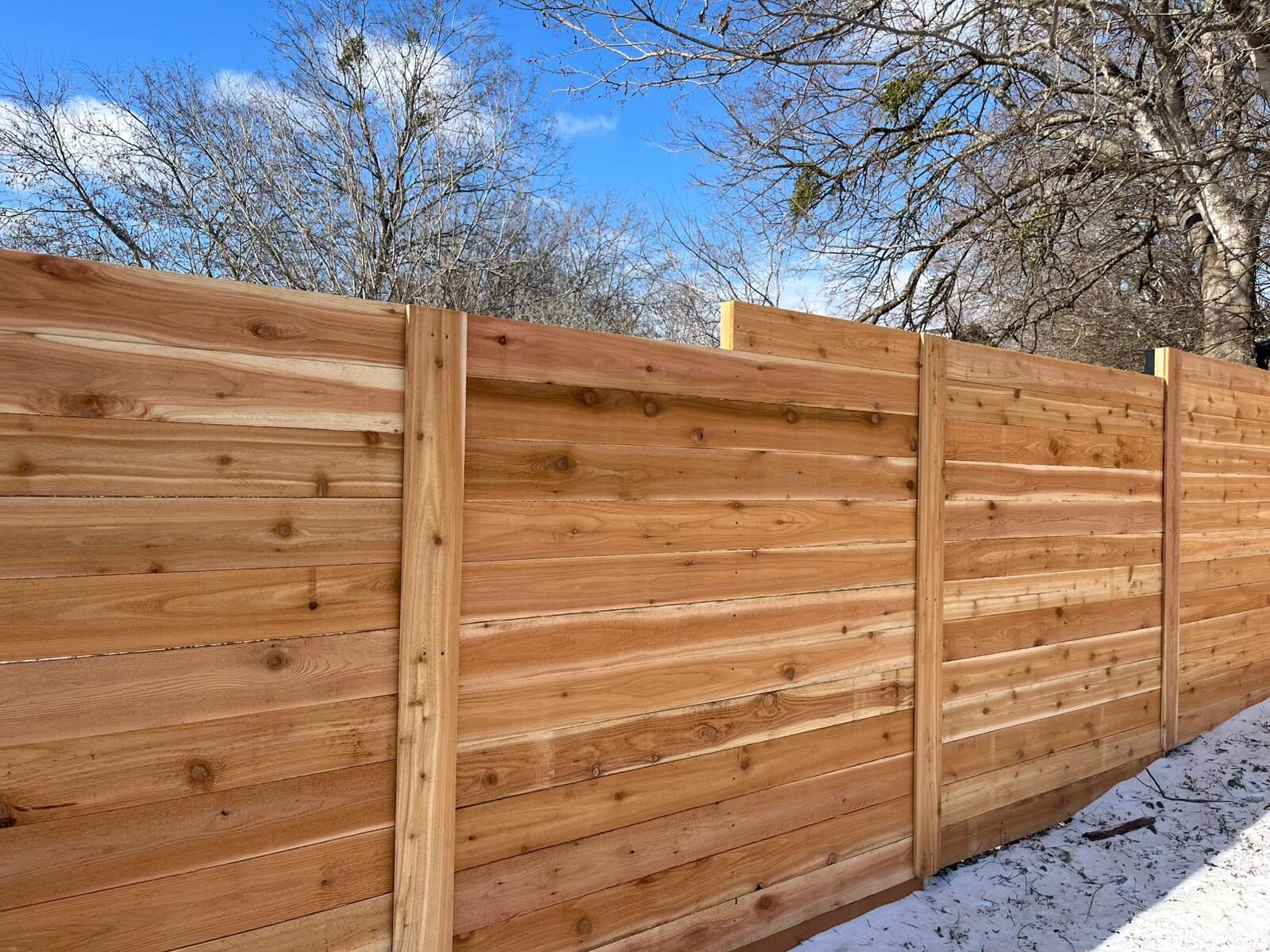
Maintenance is often the deciding factor in whether a wood fence lasts a decade or several decades. Sealing or staining a fence every few years helps protect it from moisture and UV damage. Keeping dirt, mulch, and vegetation away from the base of the fence prevents trapped moisture that can cause rot. Addressing small issues such as loose boards or damaged fasteners early helps prevent larger, more costly repairs later. Homeowners who commit to routine maintenance almost always see a significantly longer wood fence lifespan.
Signs Your Wood Fence May Need Repair or Replacement
Over time, even well-maintained wood fences will show signs of aging. Rotting boards, leaning posts, large cracks, and loose panels can indicate that a fence is nearing the end of its usable life. While minor damage can often be repaired, widespread deterioration may make replacement the more practical and cost-effective option. Recognizing these warning signs early can help homeowners plan ahead and avoid safety concerns.
Maximizing the Lifespan of Your Wood Fence
If you want to get the most out of your investment, the best approach is to combine quality materials, professional installation, and ongoing care. Understanding how long a wood fence lasts allows homeowners to set realistic expectations and take proactive steps to protect their fence. With the right planning and maintenance, a wood fence can provide privacy, security, and curb appeal for many years to come.