
Pool Fence Installation in Georgetown & Austin, TX
Pool Fences Built Around Safety and Code
A pool fence is a safety barrier first. It has to be tall enough, hard to climb and closed off by gates that shut and latch on their own, and in most places it also has to meet a written code before the pool can be used.
Sagamore Fence & Deck installs pool fences and gates for homes, HOA common areas and community pools from our base at 6550 FM 1105 in Georgetown. We plan the fence around the barrier rules that apply to your property, then build it to look good for years.
Reviewed by Tony Perez, owner of Sagamore Fence & Deck.
Our Pool Fence Services
From a backyard pool to an HOA amenity center, we build barriers and gates that are designed to meet the rules and fit the space.
Iron and steel pool fences
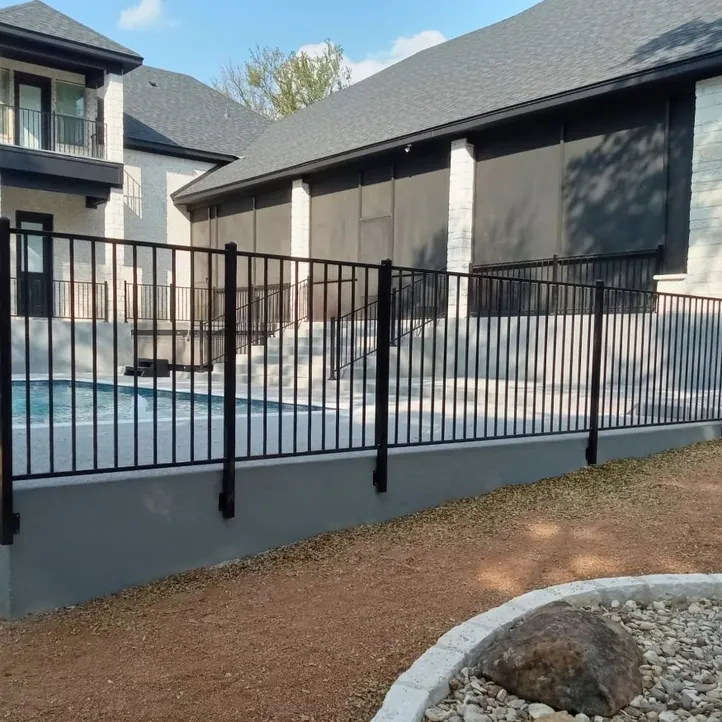
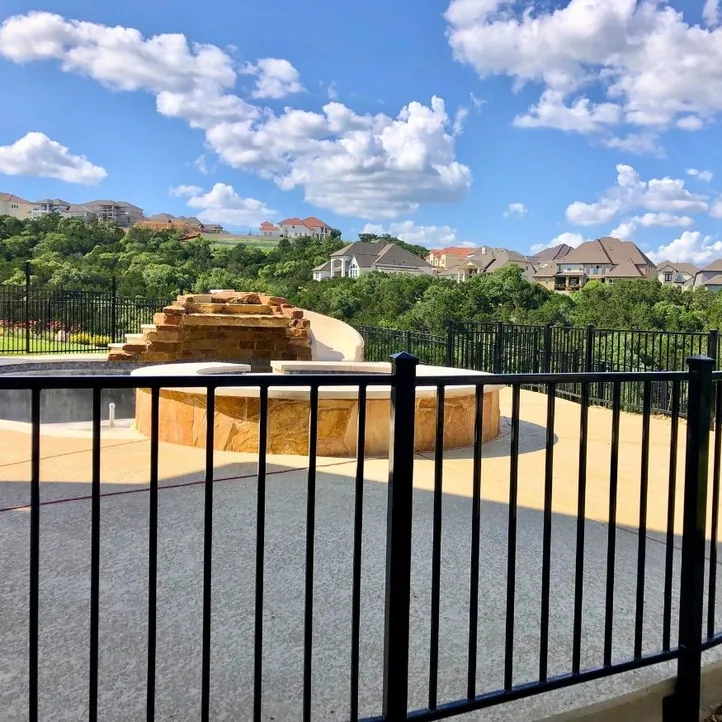
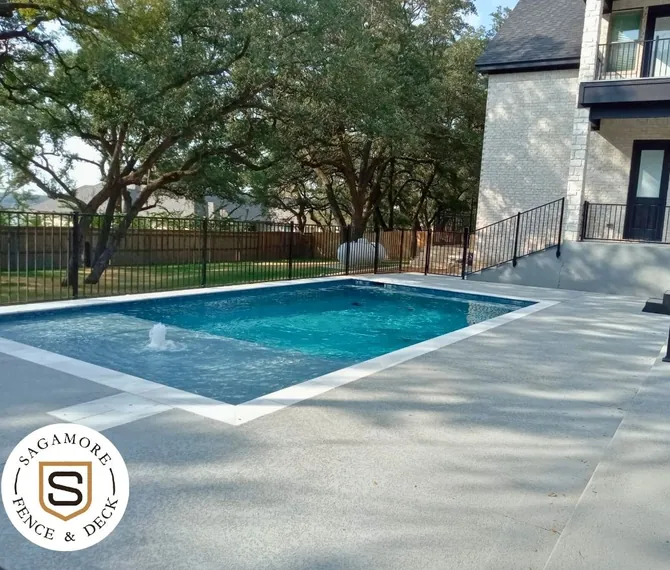
Picket-style iron and steel fence is a common choice around pools because it keeps the view open while leaving no easy footholds. We offer standard panel systems that fit most budgets and custom fabrication when a project calls for it.
- Picket spacing planned around the 4-inch rule
- Heights of 48 inches or more
- Black powder-coated finishes
Self-closing, self-latching gates
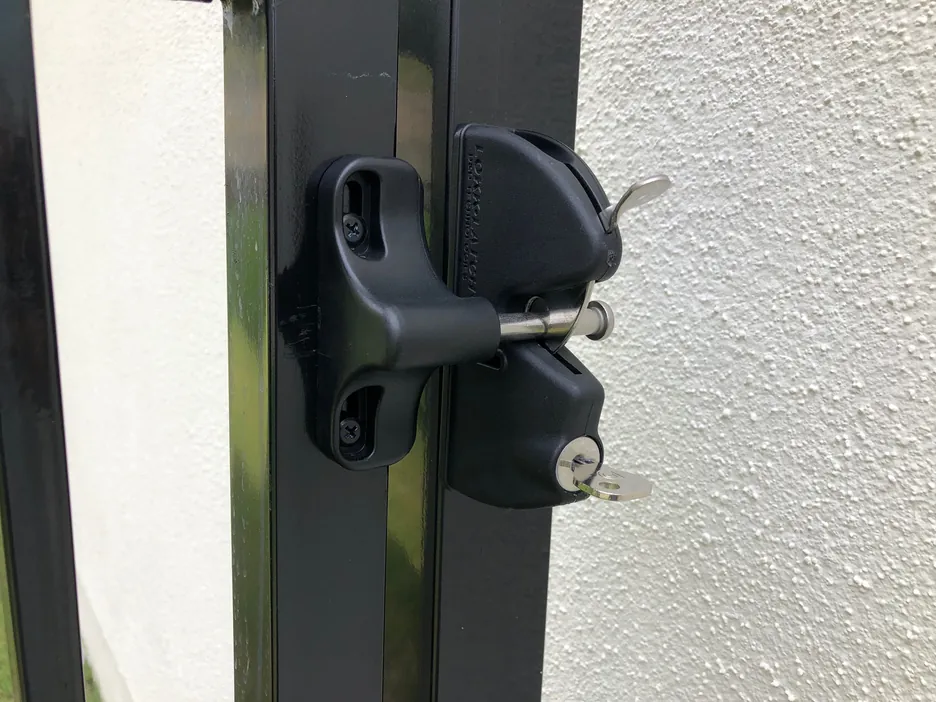
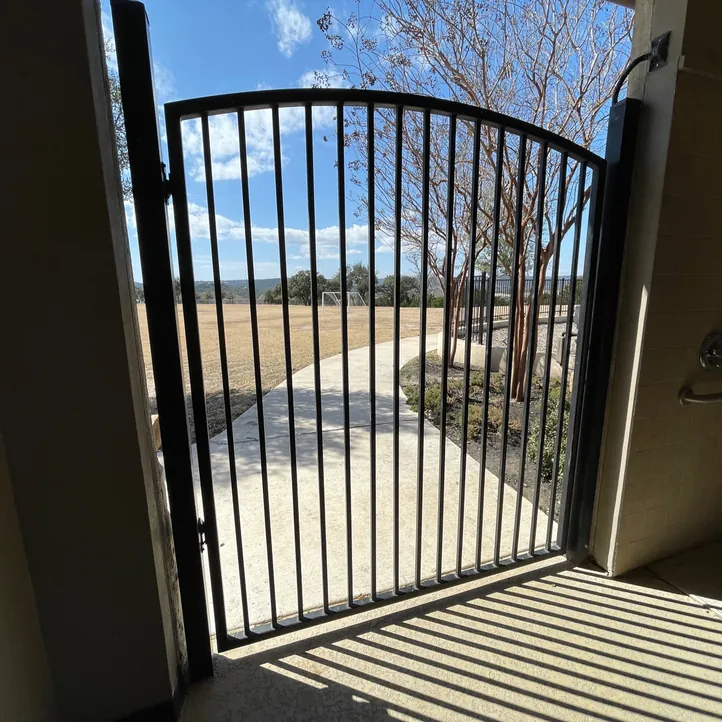
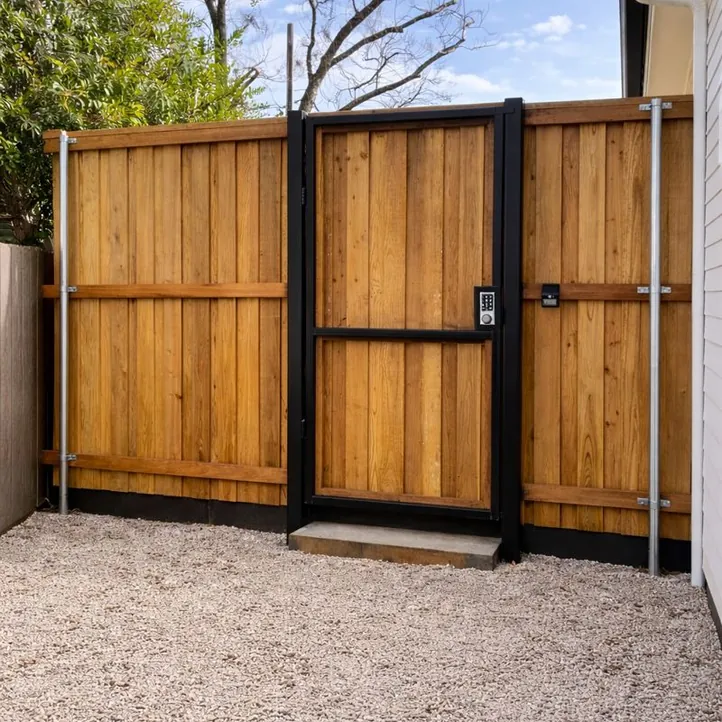
The gate is the most important part of a pool barrier. We install pedestrian gates that swing away from the pool, close on their own and latch on their own, with hardware that accepts a lock.
- Gates that open outward, away from the pool
- Self-closing hinges and self-latching hardware
- Latches set at the required height
HOA and community pools
Pools at HOA common areas and apartment complexes fall under Texas pool-yard enclosure rules. We build enclosures and gates for community pools and amenity areas.
- HOA common-area pool enclosures
- Commercial-grade gates and hardware
- Coordinated with your board or manager
Access control and locks
Keypad locks, keyed latches and card or fob access help control who can get to the pool, which matters most for shared pools.
- Keyed and keypad locks
- Card or fob access for community pools
- Hardware chosen to work with the gate
Want iron fencing for the rest of the yard? See our ornamental iron fence page. Managing an HOA or community pool? Visit commercial & municipal fencing.
What Texas Pool Fence Rules Require
Rules depend on where the pool is and who owns it, but most barriers share the same basics. Georgetown has adopted the 2021 International Swimming Pool and Spa Code, and Section 305 of that code sets these residential barrier requirements:
At least 48 inches tall
The barrier must be at least 48 inches high, measured on the side facing away from the pool.
Small gaps at the bottom
The gap under the fence can be no more than 2 inches over grass or gravel and 4 inches over concrete.
No openings a child can pass through
Openings in the barrier cannot let a 4-inch sphere pass through, and the fence should not give a child footholds to climb.
Gates that close and latch themselves
Pedestrian gates must open outward, away from the pool, be self-closing and self-latching and accept a lock. On homes, a latch release on the outside must be at least 54 inches high.
A complete enclosure
Georgetown requires the barrier to completely surround the pool, and doors with direct access to the pool need an audible alarm.
the sagamore way
Why We Do Not Use Chain Link Around Pools
Chain link is easy for a child to climb, so we do not recommend it for pool barriers. Under Texas Health and Safety Code Chapter 757, new pool-yard enclosures at apartment complexes and HOA pools cannot be chain link at all. Here is how we approach every pool fence:
We start with the rules
We look at the city, HOA and property type first so the fence plan matches the requirements that apply.
Hard-to-climb designs
Vertical pickets, tight spacing and no outside footholds.
Gates set up correctly
Swing direction, self-closing hinges, latch height and lock options are planned before we build.
Built for local ground
Posts are set for Central Texas clay and limestone so the fence and gates stay plumb.
Clear, written estimates
You get a written estimate that spells out the fence, gates and hardware before work starts.
Pool Fencing Planned for Your Property
Requirements vary by city, HOA and property type. This page is a general overview, not legal advice, and your local building official has the final say.
Homes
• Georgetown
The City has adopted the 2021 ISPSC, and a pool permit includes a signed barrier agreement and fence details.
• Austin
Per the City of Austin fencing regulations, a pool barrier fence must follow the City swimming pool and spa code.
HOA and Apartment Pools
Texas law sets enclosure rules for HOA and multiunit rental pools, including a 48-inch minimum height, self-closing and self-latching gates and regular inspections by the owner or association.
Pool Fence FAQs
How tall does a pool fence need to be in Texas?
In most cases at least 48 inches. Georgetown has adopted the 2021 International Swimming Pool and Spa Code, which requires a barrier at least 48 inches high, and Texas law sets the same minimum for HOA and apartment pool enclosures. Your city or HOA may have additional rules.
Can I use chain link for a pool fence?
We do not recommend it because chain link is easy to climb. Texas law does not allow chain link for new pool-yard enclosures at apartment complexes and HOA pools.
What kind of gate does a pool fence need?
Pedestrian gates generally need to open outward, away from the pool, close on their own, latch on their own and accept a lock. Latch height rules also apply, so we plan the gate hardware with the fence.
How far apart can pool fence pickets be?
Openings in a pool barrier generally cannot let a 4-inch sphere pass through. We plan picket spacing and the gap at the bottom of the fence to meet that rule.
Do you build fences for HOA and community pools?
Yes. We build pool enclosures, gates and access control for HOA common areas and community pools.