
Reviewed by Tony Perez, Owner & President of Sagamore Fence & Deck
You put in a privacy fence so the backyard would feel like yours. A few summers later the boards have gone gray, a gap opened by the gate, and the run along the flower bed has started to lean. Most of that is preventable with a little attention once or twice a year.
We’ve built and repaired wood fences across Central Texas since 2013, so we see what wears fences out here. Here’s the routine we recommend to our own clients.
Why Fences Wear Faster Here
- Sun. Long, hot summers dry out boards and turn unsealed wood gray.
- Ground. West of I-35, shallow limestone; east of I-35, Blackland clay that swells after rain and shrinks in drought. Clay movement works posts out of line.
- Water. Sprinklers, mulch piled against pickets and poor drainage keep the bottoms of boards wet, and wet wood rots.
- Storms. High winds catch a solid privacy fence like a sail, so weak posts show up after a storm.
A Simple Yearly Routine
Spring: walk the fence line
Push the top of the fence at each post, look for boards pulling off the rails, and open and close every gate. Catching one loose post now is cheaper than a leaning section in August.
Summer: keep the bottoms dry
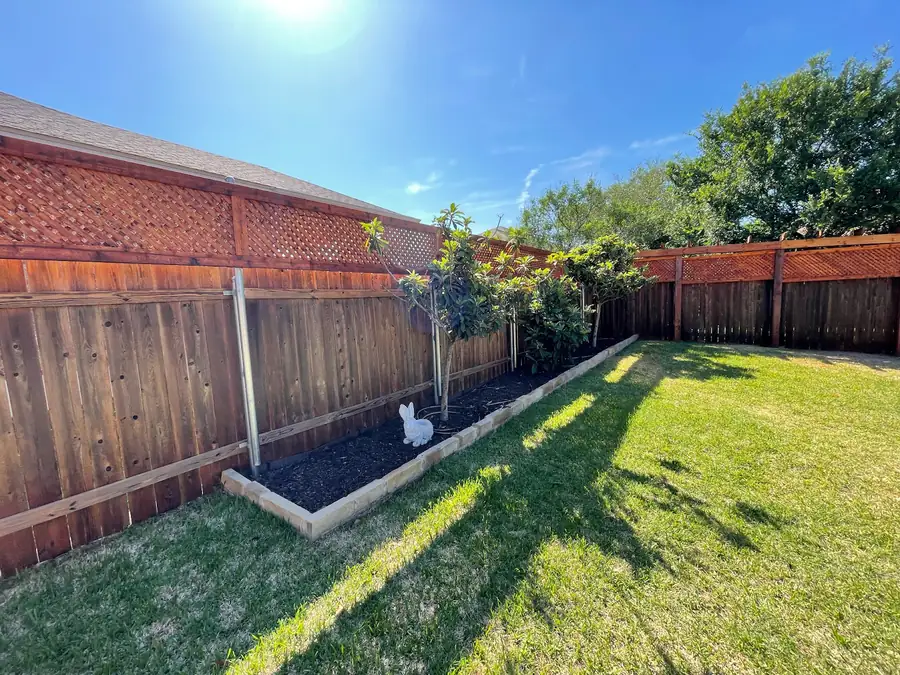
Aim sprinklers away from the boards, pull soil and mulch back so pickets aren’t buried, and trim vines and shrubs that hold moisture against the wood. Our fence line landscaping ideas show how to plant along a fence without hurting it.
Fall: clean, then stain or seal when it’s due
A gentle wash removes dirt and mildew. Every few years, a fresh coat of stain or sealer slows graying and drying. When water stops beading on the boards, it’s time. We offer fence staining and sealing for new and existing fences, and our post on whether you should stain a wood fence covers the choices.
After every storm: take a quick look
Check for leaning sections, cracked rails and gates that no longer latch. If a tree or a neighbor’s project caused the damage, photos help with insurance and with who pays for repairs between neighbors.
Maintaining a fence you share with a neighbor? See who is responsible for a boundary fence, summarized from Texas A&M AgriLife Extension.
Signs It’s Time for a Repair
- A post that rocks in the ground or leans
- Dark, soft wood at the base of boards or posts
- Rails cracked or pulling away from posts
- A gate that sags or drags
- Gaps your dog can fit through
Our fence repair team handles all of these, including fences we didn’t build. If problems show up on every run, read our repair vs. replacement guide first.
How Long a Well-Kept Fence Lasts
A well-built cedar fence typically lasts 12 to 20 years with regular care. Posts set for your soil, dry board bottoms and stain on schedule make the biggest difference. More in how long a wood fence lasts.
Privacy Fence Maintenance FAQs
How often should I stain a wood privacy fence in Texas?
Every few years, depending on sun exposure and the stain you use. Sun-facing runs gray first. When water stops beading on the boards, it’s time.
Should sprinklers hit my fence?
No. Aim sprinkler heads away from the boards. Wet wood that never dries out is the fastest way to rot pickets and post bottoms.
How long does a cedar privacy fence last?
A well-built cedar fence typically lasts 12 to 20 years with regular care. Staining, dry bottoms and solid posts make the biggest difference.
What fence repairs can I do myself?
Tightening gate hinges, replacing a loose picket and keeping soil and mulch off the boards are reasonable DIY jobs. Leaning posts, broken rails and rot at the base are best left to a fence crew.
Want a Second Set of Eyes on Your Fence?
We’ll walk the fence line with you and tell you what needs attention now and what can wait. Call 512-337-3714 (Mon–Fri, 8:00 AM–4:30 PM), request a free estimate or try our instant quote tool for a ballpark in minutes.